Table of Contents
Hair Loss in Women
Hair is often an important part of a woman’s appearance and confidence. However, noticing more hair than usual on a pillow, in the shower, or on a hairbrush can be worrying. Hair loss in women is a common concern that can occur at different ages and for several reasons, including hormonal changes, nutritional deficiencies, stress, thyroid disorders and genetic factors.
While losing approximately 50–100 hairs daily is generally considered normal, persistent excessive shedding, a widening hair part, reduced hair density or visible scalp areas may indicate an underlying hair or scalp condition.
The good news is that several hair loss treatments for women are available today. The most suitable option depends on identifying the actual cause of hair loss rather than simply treating the symptoms.
In this guide, we explain what causes hair loss in women, the early warning signs to recognise, and which medical treatments may help improve hair growth and manage excessive shedding.
What Are the Most Common Causes of Hair Loss in Women?
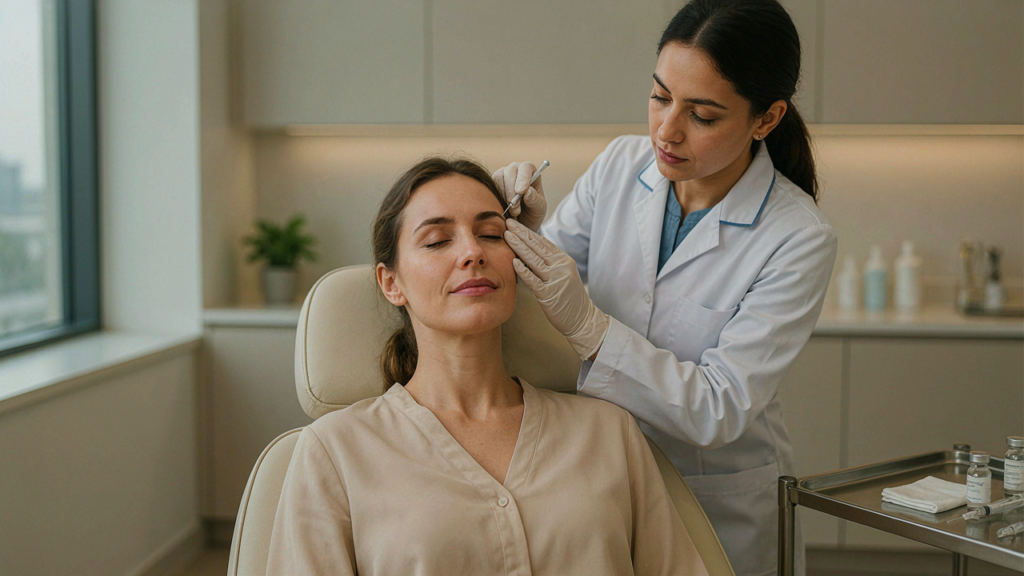
Hair loss does not have one universal cause. Some women experience temporary hair shedding, while others develop gradual thinning due to genetic or hormonal factors.
Here are some of the most common reasons behind female hair loss.
1. Hormonal Changes
Hormonal fluctuations are one of the common reasons women experience increased hair shedding.
Changes in hormone levels during pregnancy, childbirth, menopause and certain medical conditions can influence the hair growth cycle.
For example, some women experience noticeable hair shedding approximately two to three months after childbirth. This condition is commonly known as postpartum hair loss.
Similarly, hormonal changes associated with menopause may contribute to gradual hair thinning.
Women experiencing irregular periods, acne, increased facial hair and scalp thinning may also need evaluation for conditions such as polycystic ovary syndrome (PCOS).
2. Female Pattern Hair Loss
Female pattern hair loss, medically known as female pattern hair loss (FPHL), is a common cause of progressive hair thinning in women.
It is often associated with genetic susceptibility and hormonal influences.
Unlike typical male pattern baldness, women generally experience:
- Gradual thinning around the crown.
- A widening central hair part.
- Reduced overall hair density.
- Thinner hair strands.
- Increased visibility of the scalp.
Female pattern hair loss can develop during adulthood and may become more noticeable around menopause.
Early diagnosis is important because appropriate treatment may help slow progression and improve hair density.
3. Stress and Telogen Effluvium
Can stress cause hair loss in women? Yes.
Physical or emotional stress can disrupt the normal hair growth cycle and push more hair follicles into the resting phase.
This condition is called telogen effluvium.
Common triggers include:
- Prolonged emotional stress.
- High fever or severe illness.
- Major surgery.
- Sudden weight loss.
- Childbirth.
- Significant nutritional changes.
Women experiencing telogen effluvium may notice excessive hair shedding across the scalp rather than thinning in one particular area.
In many cases, hair growth gradually improves once the underlying trigger is addressed.
4. Iron Deficiency and Nutritional Deficiencies
Poor nutrition and certain nutritional deficiencies may contribute to excessive hair shedding.
Iron deficiency is particularly important to investigate in women, especially those experiencing heavy menstrual bleeding or inadequate dietary iron intake.
Other nutrients associated with healthy hair growth include:
- Protein.
- Vitamin B12.
- Vitamin D.
- Zinc.
- Iron.
However, taking supplements without confirming a deficiency is not always beneficial. Excessive supplementation can also cause health problems.
A dermatologist may recommend blood tests when nutritional deficiency is suspected.
5. Thyroid Disorders
Both hypothyroidism (underactive thyroid) and hyperthyroidism (overactive thyroid) may contribute to hair thinning or excessive shedding.
Other symptoms may include:
- Unexplained weight changes.
- Fatigue.
- Changes in menstrual cycles.
- Dry skin.
- Temperature sensitivity.
- Changes in energy levels.
If thyroid dysfunction is suspected, appropriate blood investigations can help identify the problem.
Treating the underlying thyroid condition may improve hair shedding over time.
6. Excessive Hair Styling and Chemical Treatments
Frequent heat styling, chemical straightening, bleaching and tight hairstyles can weaken hair strands and damage hair follicles.
Repeated pulling from tight ponytails, braids or buns may cause traction alopecia.
Common warning signs include:
- Hair breakage.
- Thinning around the hairline.
- Short broken strands.
- Scalp tenderness.
- Receding edges.
Reducing excessive tension and chemical exposure can help prevent further damage.
How Can Women Identify the Early Signs of Hair Loss?
Recognising hair loss early can make a difference when selecting the right treatment.
Some warning signs include:
- Excessive hair shedding: Finding noticeably more hair on pillows, brushes and shower drains.
- Widening hair part: The central parting gradually becomes more visible.
- Reduced ponytail thickness: Hair feels thinner when tied.
- Visible scalp: The scalp becomes increasingly noticeable around the crown.
- Hairline changes: Hair near the temples or forehead starts thinning.
- Patchy hair loss: One or more clearly defined areas lose hair.
Sudden hair loss, bald patches, scalp pain, itching, redness or scaling should be assessed by a dermatologist rather than treated with home remedies alone.
How Is Hair Loss Diagnosed in Women?
Before choosing a hair fall treatment, identifying the underlying cause is essential.
A dermatologist may recommend a combination of the following assessments:
Scalp Examination
The dermatologist examines the scalp, hair density, hairline and pattern of thinning to identify possible causes.
Hair Pull Test
A gentle hair pull test may help assess whether excessive shedding is occurring.
Blood Investigations
Depending on the patient’s symptoms and medical history, investigations may include:
- Complete blood count (CBC).
- Serum ferritin and iron studies.
- Thyroid function tests.
- Vitamin B12 or vitamin D levels.
- Hormonal investigations when clinically indicated.
Trichoscopy
Trichoscopy is a non-invasive examination technique that allows the dermatologist to assess hair follicles and scalp characteristics using magnification.
These assessments help distinguish between temporary hair shedding, female pattern hair loss and other scalp conditions.
Which Hair Loss Treatments Can Help Women?
The right treatment depends on the diagnosis, severity of thinning, medical history and individual treatment goals.
Here are some treatment options that dermatologists may consider.
1. Minoxidil Treatment
Minoxidil is one of the most established treatments for female pattern hair loss.
It is generally available as a topical solution or foam and works by supporting hair growth and helping maintain hair density.
Potential benefits include:
- Reducing progressive hair thinning.
- Supporting hair regrowth.
- Improving hair density in suitable patients.
- Helping manage female pattern hair loss.
Results usually take several months to become noticeable. Continued use is generally required to maintain the benefits.
Minoxidil can cause temporary increased shedding initially, as well as scalp irritation in some individuals.
Women who are pregnant, breastfeeding or planning pregnancy should discuss treatment suitability with their doctor before use.
2. Hair PRP Treatment
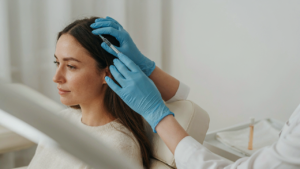
Hair PRP (Platelet-Rich Plasma) is a procedure that uses a concentrated component of the patient’s own blood.
During the procedure, a small blood sample is collected and processed to separate platelet-rich plasma. The prepared plasma is then injected into selected areas of the scalp.
Platelets contain growth factors that may influence the environment around hair follicles.
Hair PRP has been studied for androgenetic alopecia and may help improve hair density in selected patients.
Potential benefits include:
- Supporting hair density.
- Helping manage certain types of hair thinning.
- Improving hair thickness in some patients.
- Offering an additional treatment option for suitable candidates.
However, PRP is not a guaranteed permanent cure for hair loss. Research also shows variation in treatment protocols and individual responses.
The dermatologist determines the number and spacing of sessions according to the patient’s condition.
Looking for Hair PRP Treatment in Delhi?
Women experiencing progressive hair thinning can explore Hair PRP Treatment at Dermedico Clinic.
A consultation helps determine whether PRP is appropriate for the underlying cause of hair loss.
3. Prescription-Based Hair Loss Treatments
Some women may benefit from prescription medications depending on the diagnosis.
Dermatologists may consider medicines such as spironolactone or other selected therapies for certain cases of female pattern hair loss.
These treatments are not suitable for everyone and require medical supervision.
For example, spironolactone is not appropriate during pregnancy because of potential risks to the developing baby.
Oral minoxidil and other off-label treatments may also be considered in selected patients after discussing their benefits and risks.
Never start prescription hair loss medication without professional guidance.
4. Treating Nutritional Deficiencies
When hair loss is associated with iron deficiency, inadequate protein intake or another confirmed nutritional deficiency, correcting that problem is an important part of treatment.
A dermatologist or physician may recommend dietary improvements or supplements depending on investigation results.
Taking random hair growth supplements without identifying a deficiency may not provide the desired results.
5. Low-Level Laser Therapy
Low-level laser therapy (LLLT) uses specific light wavelengths to target the scalp.
Some studies suggest that it may help improve hair density in certain individuals experiencing hereditary hair loss.
However, results can vary, and multiple sessions may be needed.
A dermatologist can help determine whether this treatment is suitable.
6. Hair Transplantation
Hair transplantation may be considered for selected women with stable, appropriately diagnosed hair loss and sufficient donor hair.
It is not suitable for every type of diffuse hair thinning.
A specialist must evaluate the cause, pattern and extent of hair loss before recommending surgery.
Can Hair Loss in Women Be Reversed Naturally?
Whether hair loss can be reversed depends on its cause.
Temporary shedding caused by childbirth, stress, illness or nutritional deficiencies may improve once the underlying trigger is addressed.
However, genetic female pattern hair loss generally requires ongoing management.
Women can support overall hair health by:
- Eating a balanced diet with adequate protein.
- Including iron-rich foods in their diet.
- Avoiding crash diets and rapid weight loss.
- Limiting excessive heat styling.
- Avoiding hairstyles that pull tightly on the scalp.
- Maintaining a healthy sleep routine.
- Managing prolonged stress.
- Seeking medical advice for persistent hair shedding.
Natural remedies and oils may help with hair conditioning, but they cannot reliably reverse genetic hair loss or treat underlying hormonal and medical conditions.
When Should You Visit a Dermatologist for Hair Loss?
Not every episode of hair shedding requires medical treatment. However, professional evaluation is recommended if you notice:
- Persistent excessive hair shedding.
- Gradually widening hair parting.
- Sudden or patchy hair loss.
- Thinning that continues for several months.
- Scalp itching, redness or pain.
- Hair loss accompanied by irregular periods or other hormonal symptoms.
Early assessment can help identify treatable causes and prevent unnecessary delays in treatment.
Hair Loss Treatment for Women in South Delhi
Women searching for hair loss treatment in South Delhi, Defence Colony or Lajpat Nagar should consider a dermatologist-led approach rather than selecting a treatment based only on advertisements or online recommendations.
Dermedico Clinic, located in Defence Colony, New Delhi, offers dermatology and hair-related treatments, including Hair PRP.
The appropriate treatment depends on the patient’s scalp condition, pattern of hair loss, medical history and individual needs.
A professional consultation can help determine whether the concern is related to female pattern hair loss, nutritional deficiencies, hormonal changes or temporary excessive shedding.
Explore Dermedico Clinic to learn more about its dermatology and hair treatment services.
Frequently Asked Questions About Hair Loss in Women
1. What is the most common cause of hair loss in women?
Female pattern hair loss is a common cause of progressive thinning in women. Other causes include hormonal changes, stress-related telogen effluvium, nutritional deficiencies and thyroid disorders.
2. How can I stop hair fall immediately?
There is no universal treatment that stops every type of hair loss immediately. The first step is identifying the cause. A dermatologist may recommend medication, nutritional correction or an appropriate clinical treatment.
3. Can iron deficiency cause hair loss in women?
Yes. Iron deficiency may contribute to excessive hair shedding. Blood investigations can help identify whether low iron stores are contributing to the problem.
4. Does PCOS cause hair thinning?
PCOS may contribute to hair thinning in some women because of hormonal changes and increased androgen activity. Women with irregular periods, acne and increased facial hair should consider medical evaluation.
5. Is hair PRP effective for female hair loss?
Clinical studies suggest that PRP may improve hair density in selected women, particularly those with androgenetic alopecia. However, results vary and it is not suitable for every type of hair loss.
6. How many PRP sessions are required for hair growth?
The number of sessions varies depending on the patient’s diagnosis, treatment response and the protocol followed by the dermatologist. There is no universal schedule for everyone.
7. Can stress-related hair loss grow back?
In many cases, yes. Hair shedding associated with telogen effluvium may gradually improve after the triggering stress or illness is addressed.
8. Which vitamin deficiency causes hair loss in women?
Iron, vitamin D, vitamin B12 and zinc deficiencies may be associated with hair-related problems. However, supplementation should be based on an appropriate medical assessment.
9. Is female pattern hair loss permanent?
Female pattern hair loss is generally progressive and may not be completely reversible. However, appropriate treatment can help slow progression and improve hair density in many women.
10. When should I consult a dermatologist for hair fall in South Delhi?
Consult a dermatologist if hair shedding is persistent, excessive, patchy or associated with scalp symptoms. Women in Defence Colony, Lajpat Nagar and nearby South Delhi areas can consider a professional scalp assessment at Dermedico Clinic.
Final Thoughts
Hair loss in women can develop for several reasons, ranging from temporary stress-related shedding to hormonal changes, nutritional deficiencies and genetic hair conditions.
The most important step is understanding what is causing the problem before choosing a treatment.
Options such as minoxidil, nutritional correction, prescription medication and Hair PRP may help selected patients depending on their diagnosis.
If you are experiencing persistent hair thinning or excessive shedding, consider a dermatologist-led evaluation at Dermedico Clinic in Defence Colony, South Delhi, to understand your treatment options and develop an appropriate hair care plan.
Healthy hair starts with understanding the cause, choosing the right treatment and following a medically guided approach.