Table of Contents
Acne may eventually disappear, but the scars it leaves behind can remain for much longer. If you have tried skincare products, home remedies, or over-the-counter creams without seeing the improvement you expected, professional acne scar treatment in South Delhi may be worth considering.
Acne scars are not all the same. Some appear as small pits, some create rolling depressions, while others may be raised or associated with changes in skin colour. Because different scar types respond differently to treatment, an experienced dermatologist should first evaluate your skin before recommending a procedure.
At Dermedico Clinic in Defence Colony, South Delhi, acne scar concerns are assessed by a dermatologist and treatment can be planned according to scar type, skin condition, skin tone and individual goals. The clinic offers procedures and dermatological treatments that may be used as part of an acne and acne-scar management plan.
What Are Acne Scars?
Acne scars are changes in the skin that remain after inflammatory acne has healed. Deep or severe acne is more likely to leave permanent textural changes, although not every person who develops acne will develop scars.
According to the American Academy of Dermatology (AAD), acne scars can include depressed scars as well as raised scars, and treatment should be selected according to the individual scar pattern.
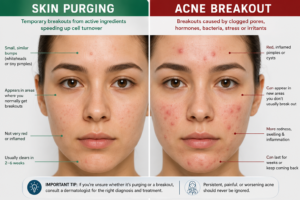
It is also important to distinguish between acne scars and acne marks.
Acne Marks vs Acne Scars
Post-acne marks are usually changes in skin colour that can gradually fade. Acne scars, on the other hand, involve changes in the skin’s texture or structure.
For example:
- Brown or dark spots after acne may be post-inflammatory pigmentation.
- Red or pink areas may be post-inflammatory erythema.
- Small pits or depressions are generally atrophic acne scars.
- Raised areas may represent hypertrophic scars or keloids.
The treatment approach can therefore be very different.
Why Do Acne Scars Develop?
Acne-related inflammation can damage collagen and other structures within the skin. During the healing process, the body produces new collagen, but the repair process does not always restore the skin’s original texture.
This can result in:
- Ice-pick scars
- Rolling scars
- Boxcar scars
- Depressed scars
- Raised scars
- Uneven skin texture
- Post-acne pigmentation
The deeper and more inflammatory the acne, the greater the possibility of permanent scarring.
That is why early acne management is also an important part of acne-scar prevention.
The AAD recommends controlling active acne before beginning many scar treatments because continued breakouts can create new scars.
Types of Acne Scars
1. Ice-Pick Scars
Ice-pick scars are narrow and relatively deep depressions that extend into the skin.
They can be challenging to treat because the scar extends deeper than many superficial resurfacing procedures can reach.
Depending on the individual case, a dermatologist may consider targeted procedures or a combination approach.
2. Boxcar Scars
Boxcar scars are wider depressions with relatively defined edges.
Their appearance and depth can vary considerably, so the appropriate procedure depends on the individual scar.
3. Rolling Scars
Rolling scars create an uneven or wavy appearance across the skin.
They are often associated with tethering beneath the skin. Certain procedures designed to stimulate collagen or release scar tissue may be considered after dermatological assessment.
4. Raised Acne Scars
Not every acne scar is depressed.
Some people develop raised scars because the skin produces excess collagen during healing. Raised scars and keloids require a different treatment strategy from depressed scars.
What Is the Best Acne Scar Treatment in South Delhi?
There is no single acne scar treatment that is best for everyone.
The right treatment depends on:
- Scar type
- Scar depth
- Skin tone
- Active acne
- Pigmentation
- Skin sensitivity
- Previous treatments
- Desired improvement
- Available downtime
- Budget
The Mayo Clinic similarly notes that acne scar treatment can include different approaches depending on scar type, skin type and severity.
A dermatologist may recommend one treatment or combine multiple procedures to address different aspects of scarring.
Acne Scar Treatments Available at Dermedico Clinic
At Dermedico Clinic, acne-scar management may involve procedures such as microneedling-based treatments, dermaroller procedures, chemical peels and PRP-based approaches, depending on the patient’s skin and scar type.
You can explore the clinic’s complete skin and cosmetic treatments in Delhi to understand the range of dermatology and aesthetic procedures available.
1. Microneedling / Dermaroller for Acne Scars
Microneedling works by creating controlled microscopic punctures in the skin, stimulating the body’s natural wound-healing response and collagen production.
Dermedico Clinic offers dermaroller treatment for acne scars and skin rejuvenation.
Microneedling can be particularly useful when the main concern is uneven skin texture and depressed acne scarring.
The AAD describes microneedling as a collagen-induction treatment that can reduce the appearance of acne scars and notes that it can be combined with other procedures in selected patients.
2. Derma Genesis for Acne Scars
Dermedico also offers Derma Genesis, described by the clinic as an advanced microneedling and radiofrequency-based skin-renewal treatment with growth-factor support.
The treatment is intended to address concerns including:
- Acne scars
- Enlarged pores
- Uneven skin texture
- Dullness
- Early signs of ageing
The clinic currently recommends a course of multiple sessions for suitable patients rather than promising an instant result.
For someone searching for acne scar treatment near Defence Colony, South Delhi, a dermatologist can determine whether this type of collagen-stimulation treatment is appropriate.
3. Chemical Peels for Acne and Acne Scars
Medical-grade chemical peels can improve certain acne-related concerns, including active acne, pigmentation and some superficial acne scars.
Dermedico offers different types of chemical peels, including glycolic acid, salicylic acid, lactic acid, Jessner’s and TCA-based treatments. The clinic states that the exact peel is selected according to the patient’s skin and concern.
Read more about Chemical Peel Treatment in Delhi.
Chemical peels should not be treated like ordinary salon facials. The strength, depth, preparation and aftercare matter, particularly for Indian skin tones where inappropriate treatment can increase the risk of pigmentation.
The AAD explains that dermatologists select peel strength according to the patient’s skin and condition, and multiple sessions may be required for some types of peels.
4. PRP for Acne Scars
Platelet-rich plasma, commonly called PRP, uses components derived from the patient’s own blood.
Dermedico’s PRP services include a PRP + microneedling approach and a specific PRP option for acne scars.
PRP may sometimes be used alongside another procedure rather than as a standalone solution.
According to the AAD, PRP may be used alongside microneedling and other procedures to potentially improve acne-scar outcomes.
You can also explore PRP Therapy in Delhi.
Can Acne Scars Be Removed Permanently?
This is one of the most common questions asked by people looking for acne scar treatment.
The realistic answer is that acne scars are usually improved rather than magically erased in a single treatment.
The goal of treatment is generally to make scars less noticeable by improving:
- Skin texture
- Collagen structure
- Scar depth
- Unevenness
- Overall skin appearance
The AAD notes that treatment can diminish the appearance of acne scars, but different scars require different approaches.
Your dermatologist should therefore discuss realistic expectations before starting treatment.
How Many Acne Scar Treatment Sessions Are Needed?
The number of sessions varies significantly.
Some patients may see improvement after an initial procedure, while others require a series of treatments.
Factors that influence treatment frequency include:
- Depth of scars
- Number of scars
- Skin type
- Treatment selected
- Severity of acne
- Healing response
- Whether multiple treatments are combined
The AAD states that acne-scar treatment is often not a one-time procedure and that several treatments may be required for optimal improvement.
Dermedico’s treatment information also indicates that certain skin-renewal protocols may involve multiple sessions.
Is Acne Scar Treatment Safe for Indian Skin?
Indian skin can be more prone to pigmentation following inflammation or aggressive procedures.
That does not mean acne-scar treatment cannot be performed safely.
It means treatment should be appropriately selected and supervised.
A dermatologist may consider:
- Your Fitzpatrick skin type
- Existing pigmentation
- History of post-inflammatory pigmentation
- Active acne
- Previous procedures
- Current skincare products
- Medication history
- Expected downtime
The AAD notes that some acne-scar procedures can have different risks depending on skin tone and treatment type, making professional assessment important.
Why Choose Dermedico Clinic for Acne Scar Treatment in South Delhi?
Dermedico Clinic is located at D-95, Defence Colony, New Delhi, making it convenient for patients from Defence Colony, Lajpat Nagar, South Extension, Greater Kailash, Saket and other parts of South Delhi.
The clinic is led by Dr. Pallavi Chandna Rohatgi, MD Dermatology, who has experience in dermatology, dermatosurgery and laser-based dermatological treatments. The clinic’s website states that she has a particular interest in lasers and has worked with acne scars, pigmentation, rosacea and skin rejuvenation.
Dermedico Clinic is located at D-95, Defence Colony, New Delhi.
The clinic’s website currently lists:
- MD Dermatologist
- Dermatology consultations
- Acne and acne-scar treatments
- Dermaroller
- Chemical peels
- PRP
- Derma Genesis
- Laser-related treatments
- Skin rejuvenation procedures
The focus should always be on selecting the treatment that suits the individual rather than choosing a procedure simply because it is trending.
What Happens During an Acne Scar Consultation?
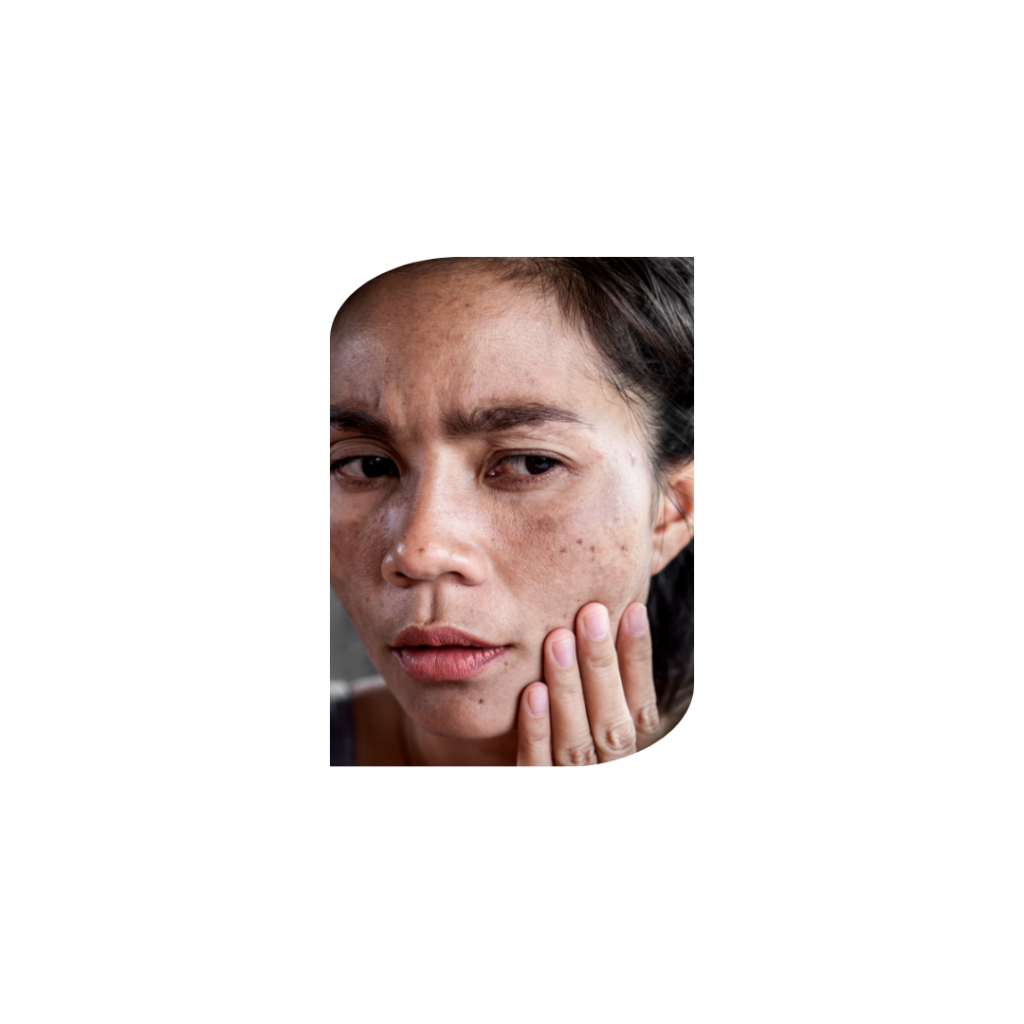
A professional consultation is an important first step.
Your dermatologist may evaluate:
- Whether you currently have active acne.
- The type of scars present.
- Scar depth and distribution.
- Your skin tone and pigmentation tendency.
- Previous acne treatments.
- Current skincare and medication.
- Your expected results.
- Your acceptable downtime.
- Whether one treatment or a combination approach is appropriate.
The AAD specifically recommends evaluating scar type, skin tone, expectations and other individual factors before developing an acne-scar treatment plan.
This is why copying someone else’s acne-scar treatment is not always a good idea.
Acne Scar Treatment: What Should You Avoid?
If you have acne scars, avoid experimenting with aggressive DIY treatments.
Be especially careful with:
- Undiluted acids
- DIY chemical peels
- Excessive exfoliation
- Picking active acne
- Unsterile microneedling devices
- Scrubbing scarred skin aggressively
- Random combinations of prescription products
- Unverified “scar removal” creams
Trying to remove scars aggressively can cause additional irritation and pigmentation.
Professional assessment is particularly important if you have deep scars, active inflammatory acne or a history of pigmentation.
How to Care for Your Skin After Acne Scar Treatment
After a procedure, follow the exact aftercare instructions provided by your dermatologist.
General principles may include:
Use Sunscreen
Sun exposure can make pigmentation more noticeable and may interfere with the appearance of healing skin.
Avoid Picking or Scratching
Allow the skin to recover naturally.
Keep Your Routine Simple
Immediately after some procedures, your dermatologist may recommend avoiding certain active ingredients.
Continue Acne Management
If you continue developing inflammatory acne, new scars can form.
The AAD recommends continuing appropriate acne treatment after scar procedures to help prevent new acne lesions from causing additional scars.
When Should You See a Dermatologist for Acne Scars?
Consider booking a consultation if:
- Acne has left visible pits or depressions.
- You have persistent uneven skin texture.
- Acne marks are not improving.
- You have deep scars.
- You have tried home remedies without results.
- Your acne keeps returning.
- You are unsure whether you have marks or scars.
- You are considering laser, microneedling or chemical peels.
The sooner active acne is controlled, the easier it can be to reduce the risk of additional scarring.
Frequently Asked Questions About Acne Scar Treatment in South Delhi
What is the best treatment for acne scars?
There is no universal best treatment. Treatment depends on the type, depth and severity of scars, your skin type and your goals. A dermatologist may recommend microneedling, chemical peels, RF-based treatments, PRP, laser procedures or combinations of treatments.
Which treatment is best for deep acne scars?
Deep scars often require a more targeted treatment plan. Depending on the scar type, your dermatologist may consider procedures such as scar surgery, subcision, resurfacing or combination treatments.
Can chemical peels remove acne scars?
Chemical peels can improve some acne scars and pigmentation, but results depend on scar depth and peel type. Deeper scars may require other procedures or a combination approach.
Is microneedling good for acne scars?
Microneedling can stimulate collagen production and may reduce the appearance of certain depressed acne scars. The AAD lists microneedling among dermatological treatment options for acne scarring.
Can PRP help acne scars?
PRP may be used with procedures such as microneedling to support collagen remodelling. Whether it is appropriate depends on the individual treatment plan.
How long does acne scar treatment take?
Treatment time varies. Some procedures take less than an hour, while the overall treatment plan may extend across several weeks or months because sessions are often spaced apart.
Are acne scars permanent?
Some acne scars can persist for years and may not disappear completely without treatment. Professional procedures can make them significantly less noticeable in suitable patients.
Is acne scar treatment painful?
Comfort varies by procedure. Some treatments use topical or local anaesthesia, while others may involve only mild discomfort. Your dermatologist can explain what to expect before treatment.
Can acne scars come back after treatment?
The treated scar itself does not necessarily “come back” in the same way, but new acne can create new scars. Controlling active acne is therefore an important part of long-term management.
How much does acne scar treatment cost in South Delhi?
The cost depends on the procedure, number of sessions and treatment plan. It is better to receive a personalised estimate after a dermatologist evaluates your skin rather than choosing treatment based only on price.
Book a Consultation for Acne Scar Treatment in South Delhi
Acne scars can affect more than skin texture. For many people, persistent scars can affect confidence and how comfortable they feel in social situations.
The good news is that modern dermatology offers several options for improving the appearance of acne scars.
The most important step is identifying what type of scar you actually have and choosing a treatment plan based on your skin rather than following a generic internet recommendation.
If you are looking for acne scar treatment in South Delhi, you can consult the dermatology team at Dermedico Clinic, Defence Colony.
Dermedico Clinic
D-95, Defence Colony, New Delhi
Monday–Saturday: 10:00 AM–6:00 PM
Visit Dermedico Clinic to learn more about available dermatology treatments and request a consultation.