Table of Contents
Common Areas Treated With Botox
Botox is one of the most widely recognised non-surgical cosmetic treatments for reducing the appearance of certain wrinkles and expression lines. From forehead creases to crow’s feet around the eyes, Botox can help soften lines caused by repeated facial muscle movements. It is also used for selected medical concerns, including excessive sweating.
But what are the common areas treated with Botox, and how do you know which areas may benefit from the treatment?
Understanding the different treatment areas can help you make an informed decision before consulting a qualified dermatologist. At Dermedico Clinic, Defence Colony, South Delhi, patients can discuss their aesthetic concerns and explore suitable treatment options based on their facial anatomy, skin condition and goals.
What Is Botox and How Does It Work?
Botox is a brand name for a botulinum toxin type A product. When injected in carefully selected amounts by a qualified medical professional, it temporarily reduces activity in targeted muscles.
This can soften dynamic wrinkles, which are lines that develop or become more noticeable when you frown, smile or raise your eyebrows. Botox does not treat every type of wrinkle, and it does not replace treatments that restore lost skin volume.
Results generally begin to appear within three to seven days, although the timing varies by individual and treatment area. Effects commonly last around three to four months, sometimes longer.
According to the American Academy of Dermatology, botulinum toxin treatment is commonly used for frown lines, crow’s feet and certain other medical conditions.
What Are the Common Areas Treated With Botox?
Botox can be used in different areas depending on the treatment goal and the individual’s anatomy. The following are some commonly discussed treatment areas.
1. Forehead Lines
Horizontal forehead lines often become visible when you raise your eyebrows or express surprise. Repeated muscle movements can contribute to these lines becoming more noticeable over time.
Botox for forehead lines temporarily relaxes selected muscles responsible for these expressions, helping soften the appearance of dynamic wrinkles.
A dermatologist must assess forehead muscle activity and eyebrow position before treatment. Treating this area requires careful planning because excessive muscle relaxation can affect eyebrow position.
2. Frown Lines Between the Eyebrows
Frown lines, sometimes called “11 lines,” are vertical creases that appear between the eyebrows when you frown or concentrate.
These lines may become more noticeable with repeated facial expressions and natural ageing.
Botox can temporarily relax the muscles responsible for frowning, making these lines less prominent. The objective is to create a refreshed appearance while preserving natural facial expressions.
3. Crow’s Feet Around the Eyes
Crow’s feet are fine lines that spread outward from the corners of the eyes, particularly when you smile or squint.
Botox for crow’s feet targets selected muscles around the outer eye area to soften expression-related wrinkles.
Because the skin around the eyes is delicate, accurate injection placement and an understanding of facial anatomy are particularly important. Botox may not completely eliminate lines that remain visible when your face is at rest.
4. Brow Lift
A non-surgical Botox brow lift may be considered when the position of the eyebrows and the activity of surrounding muscles are suitable for treatment.
By carefully adjusting the activity of selected muscles, a practitioner may achieve a subtle lift in the brow area.
However, results are generally modest and vary according to individual anatomy. Botox cannot reproduce the results of surgical brow-lift procedures, and treatment may not be suitable for everyone.
5. Bunny Lines on the Nose
Bunny lines are small wrinkles that appear along the sides or bridge of the nose when you scrunch your nose or smile.
In selected cases, a dermatologist may use small amounts of botulinum toxin to soften these expression lines.
Treatment requires precision because muscles in the nose are close to other structures involved in facial movement. Your dermatologist should assess whether treating these lines is appropriate for you.
6. Lip Flip
A Botox lip flip involves carefully placed injections near the upper lip to relax a small portion of the muscle around the mouth.
This may allow the upper lip to roll slightly outward when smiling, creating the appearance of a more visible upper lip.
A lip flip is different from lip fillers. Botox does not add volume to the lips, and the result is generally subtle and temporary. Potential effects on lip movement, drinking and speech should be discussed before treatment.
7. Jawline and Masseter Muscles
The masseter muscles are located at the sides of the jaw and help you chew. In some people, these muscles become prominent, contributing to a wider or more square-looking lower face.
Masseter Botox, when clinically appropriate, may reduce the bulk of these muscles over time and create a softer jawline appearance.
Botulinum toxin can also be used for certain cases of teeth grinding or jaw clenching, following an appropriate medical assessment. It is not a universal solution for jaw pain, and not every case of teeth grinding should be treated with Botox.
Possible side effects include chewing weakness or changes in facial contour. A qualified practitioner should explain the potential benefits and risks before treatment.
8. Neck Bands
Vertical bands can become visible in the neck as the platysma muscles contract. In selected patients, botulinum toxin injections may help soften the appearance of these bands.
The results depend on muscle activity, skin laxity and the individual’s anatomy. Botox does not remove loose skin or replace a surgical neck lift.
Treatment in the neck requires particular care because nearby muscles are involved in important functions, including swallowing.
9. Excessive Sweating
Botox is not used only for cosmetic concerns. It can also treat certain cases of hyperhidrosis, a condition involving excessive sweating.
Common treatment areas include the underarms, where botulinum toxin temporarily reduces the activity of nerves that stimulate sweat glands. Certain other areas may also be treated in appropriate cases.
For people who experience persistent sweating despite regular antiperspirant use, a medical consultation can help determine whether Botox is suitable.
The duration of relief varies according to the area treated and individual response. The American Academy of Dermatology provides further information about botulinum toxin treatment for excessive sweating.
Which Botox Treatment Area Is Right for You?
The right treatment depends on the concern you want to address rather than simply following a popular trend.
| Concern | Area that may be assessed |
|---|---|
| Horizontal expression lines | Forehead |
| Vertical lines between eyebrows | Frown lines |
| Fine lines near the outer eyes | Crow’s feet |
| Prominent eyebrow muscles and brow position | Brow area |
| Lines on the nose when scrunching | Bunny lines |
| Desire for a subtle upper-lip roll | Lip flip |
| Prominent masseter muscles | Jawline |
| Visible platysmal neck bands | Neck |
| Excessive underarm sweating | Underarms |
Not every area is appropriate for every patient. A dermatologist should evaluate your concerns, medical history, muscle movement and expectations before recommending treatment.
What Are the Benefits of Botox Treatment?
When appropriately prescribed and administered, Botox may offer several benefits:
- Softens dynamic wrinkles: Helps reduce the appearance of selected expression-related lines.
- Non-surgical approach: Does not require cosmetic surgery for the concerns it can address.
- Relatively short appointments: Many treatment sessions can be completed during a brief clinic visit.
- Minimal downtime for many patients: Most people can return to their usual daily activities soon after treatment, subject to their practitioner’s advice.
- Temporary results: Effects gradually wear off, allowing the treatment plan to be reassessed.
- Selected medical uses: Can help manage certain conditions, including excessive sweating.
Results are not immediate, and outcomes vary. Botox is not a substitute for skincare, sun protection or treatments intended to address other causes of facial ageing.
Is Botox Safe?
Botox can be appropriate for many adults when administered by a suitably qualified and experienced medical professional using an authorised product. However, like all medical procedures, it carries risks.
Common temporary side effects can include redness, swelling, tenderness or bruising around injection sites. Depending on the treatment area, other complications may include headache, eyelid drooping, facial asymmetry or unwanted muscle weakness.
Rarely, botulinum toxin effects can spread beyond the injection area and cause serious symptoms, including difficulty swallowing, speaking or breathing. Seek urgent medical care if these symptoms occur.
Before treatment, inform your doctor about your medical history, medicines, supplements, previous injections and any pregnancy or breastfeeding considerations. Your practitioner can determine whether treatment should be avoided or postponed.
For more information, read the American Academy of Dermatology’s guide to botulinum toxin therapy.
How Long Does Botox Last?
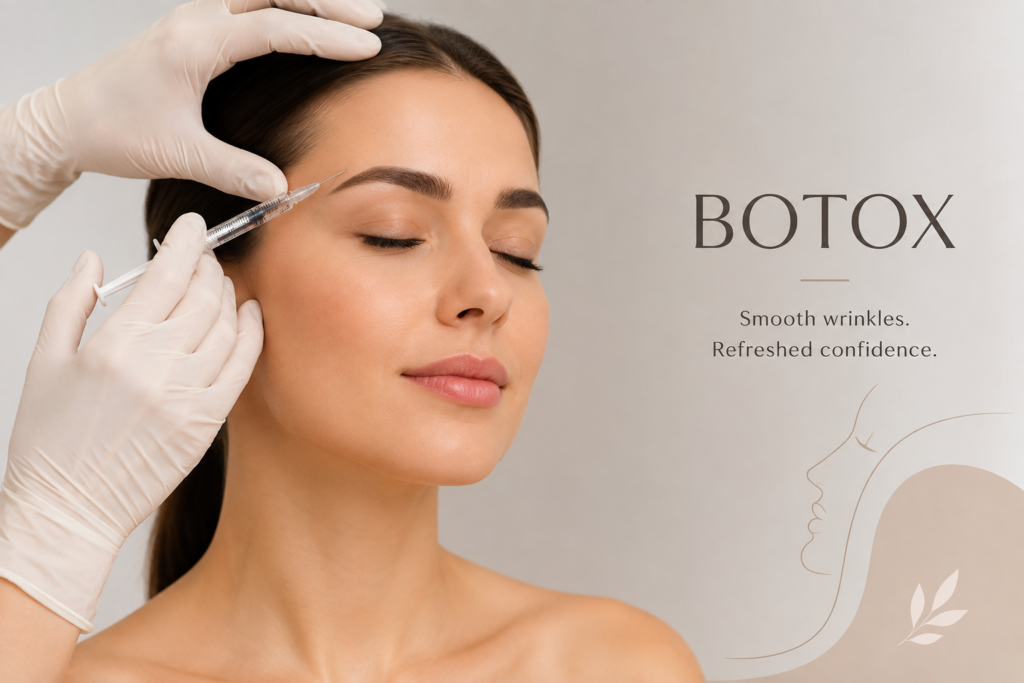
Botox results typically last around three to four months, although the duration varies according to the treatment area, dose, muscle activity and individual response.
Some people notice changes within several days, while the full effect can take longer to develop. Results gradually fade as muscle activity returns.
Repeat treatments should be planned with your dermatologist rather than performed too frequently. Your practitioner can advise you on an appropriate follow-up schedule.
Where Can You Get Botox Treatment in South Delhi?
If you are considering Botox for forehead lines, crow’s feet, frown lines or another suitable concern, choosing a qualified medical professional is an important first step.
Dermedico Clinic is located in Defence Colony, South Delhi, and provides Botox treatment as part of its cosmetic dermatology services. Patients can discuss their goals, expected outcomes, treatment options and possible side effects during a consultation.
Before booking, ask who will perform the injections, which product will be used, what risks apply to your treatment area and what results you can realistically expect.
Learn more about Botox treatment in Delhi at Dermedico Clinic or explore the clinic’s complete range of skin and cosmetic treatments.
Frequently Asked Questions About Botox Treatment Areas
1. What are the most common areas treated with Botox?
The most common cosmetic areas include forehead lines, frown lines between the eyebrows and crow’s feet around the eyes. Other selected areas include the jaw muscles, neck bands and upper lip. Botox is also used medically to treat certain cases of excessive sweating.
2. Can Botox treat forehead wrinkles?
Yes. Botox can temporarily soften dynamic forehead wrinkles by reducing activity in selected muscles. A dermatologist must assess eyebrow position and forehead movement to plan treatment appropriately.
3. Can Botox remove crow’s feet completely?
Botox can reduce the appearance of crow’s feet caused by facial expressions. It may not eliminate deeper lines that remain visible when the face is relaxed.
4. Is Botox used for jawline slimming?
Botox may reduce the bulk of prominent masseter muscles in selected patients. It does not remove fat or excess skin, and results depend on the underlying cause of a broad jawline.
5. Can Botox treat excessive sweating?
Yes. Botulinum toxin injections can help reduce excessive sweating, particularly in the underarms. A medical professional can assess the cause of sweating and recommend appropriate treatment.
6. How soon can I see Botox results?
Some people notice results within three to seven days. The full effect may take longer, depending on the product, treatment area and individual response.
7. How long do Botox results last?
Results commonly last around three to four months for facial wrinkles. Duration varies by individual and treatment area, so follow-up timing should be discussed with your practitioner.
8. Is Botox suitable for everyone?
No. Suitability depends on medical history, the area being treated, individual anatomy and other factors. A qualified medical professional should assess your circumstances before treatment.
9. Does Botox make your face look frozen?
It does not have to. Appropriate treatment planning aims to soften unwanted lines while preserving natural facial movement. Excessive or poorly placed injections can affect expressions, which is why practitioner expertise matters.
10. Where can I consult a dermatologist for Botox in South Delhi?
You can contact Dermedico Clinic in Defence Colony, South Delhi, to discuss your concerns and arrange a consultation. Visit the clinic’s Botox treatment page for service information.
Final Thoughts
Botox can address several concerns, from forehead wrinkles and crow’s feet to selected jaw-muscle concerns and excessive sweating. However, the appropriate treatment area depends on your anatomy, medical history and desired outcome.
If you are exploring Botox treatment in South Delhi, arrange a consultation with a qualified dermatologist to understand your options, likely results and potential risks.
Book a consultation with Dermedico Clinic to discuss whether Botox is suitable for your concerns and receive a personalised treatment recommendation.