Table of Contents
Derma Genesis Help With Skin Damage
Spending time outdoors is part of everyday life, but repeated exposure to ultraviolet (UV) rays can gradually affect your skin’s appearance and health. If you have noticed uneven skin tone, rough texture, fine lines, dark spots or a loss of skin firmness, you may be experiencing signs of sun damage.
One question many people ask is: Can Derma Genesis help with skin damage caused by sun exposure?
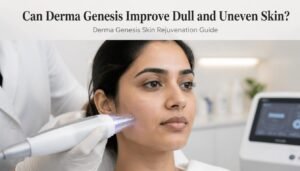
Derma Genesis is a skin-rejuvenation treatment offered at Dermedico Clinic in Defence Colony, South Delhi. Its treatment protocol combines fractional microneedling, radiofrequency (RF) energy and growth-factor support to encourage collagen remodelling and improve overall skin texture.
Although this approach may help with selected signs of photoaging, it does not repair every type of UV damage or replace treatments specifically designed for sunspots and pigmentation. Understanding your skin condition is the first step towards choosing the right treatment.
What Is Sun Damage and How Does It Affect Your Skin?
Sun damage, also known as photoaging, develops when ultraviolet radiation repeatedly affects the skin. Over time, UV exposure can contribute to collagen breakdown, changes in pigmentation and premature skin ageing.
Common signs of sun-damaged skin include:
- Uneven skin tone: Some areas may appear darker than the surrounding skin.
- Dark spots and sunspots: Pigmented patches may develop after prolonged sun exposure.
- Fine lines and wrinkles: Damage to collagen and elastin can contribute to visible lines.
- Rough skin texture: The skin may feel less smooth or appear less refined.
- Reduced skin firmness: Gradual collagen changes may make the skin look less firm.
- Dull-looking skin: Uneven pigmentation and surface changes can affect the skin’s natural radiance.
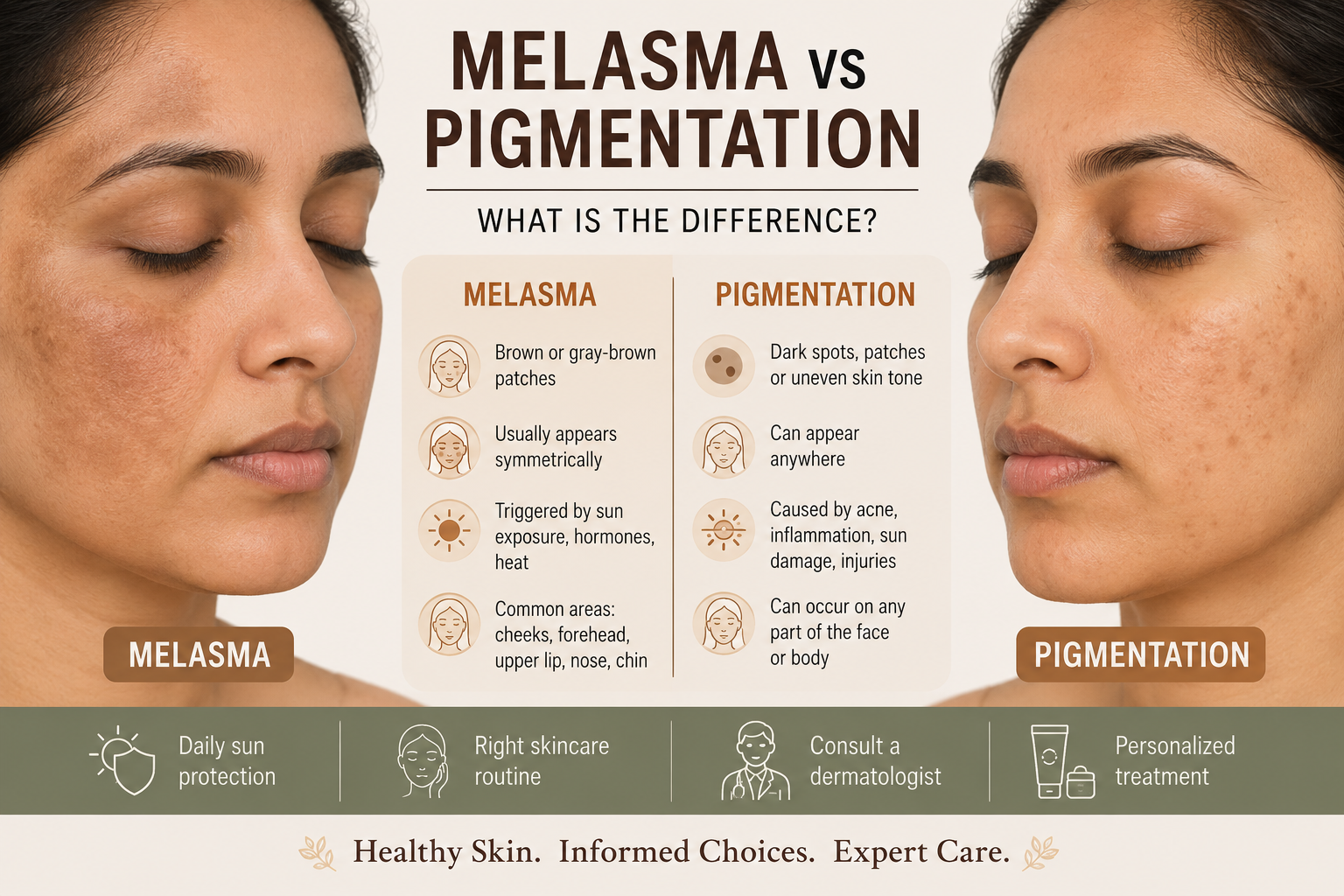
Not all pigmentation is caused by sun exposure. Melasma, post-inflammatory hyperpigmentation and other skin conditions can look similar but require different treatment approaches. A dermatologist can help identify the underlying cause.
Can Derma Genesis Help With Sun-Damaged Skin?

Yes, Derma Genesis may help improve selected visible signs of sun-related skin ageing, particularly uneven texture, fine lines and reduced skin smoothness. However, its suitability depends on the type and severity of damage.
At Dermedico Clinic, Derma Genesis is described as a combination of fractional microneedling, RF energy and growth-factor support. These components are intended to support skin renewal and collagen remodelling.
Microneedling stimulates the skin’s natural healing response, while RF energy provides controlled heat to targeted skin layers. Together, these techniques may improve certain textural concerns over time.
It is important to understand the distinction between improving the appearance of sun-damaged skin and treating the underlying effects of UV exposure. Evidence supporting microneedling for concerns such as wrinkles and skin texture does not automatically establish that every Derma Genesis protocol treats sunspots, melasma or all forms of photoaging.
A consultation helps determine whether Derma Genesis is appropriate or whether another treatment would better address your primary concern.
How Can Derma Genesis Help With Skin Damage?
1. Supports Collagen Remodelling
Collagen is a structural protein that helps maintain skin firmness and support. Repeated UV exposure can damage collagen, contributing to wrinkles and changes in skin texture.
Microneedling creates controlled micro-injuries that activate the body’s natural repair process. This can stimulate collagen production and may gradually improve the appearance of selected textural concerns.
For people experiencing early signs of ageing, a dermatologist may consider collagen-stimulating treatments as part of a broader skin-rejuvenation plan.
2. May Improve Uneven Skin Texture
Sun exposure, ageing and previous acne can contribute to rough or uneven skin. Derma Genesis may help improve the appearance of some textural irregularities through controlled skin stimulation and remodelling.
The results develop gradually rather than appearing immediately. The degree of improvement depends on the original skin condition, treatment settings and individual response.
3. May Soften the Appearance of Fine Lines
Fine lines can become more noticeable as collagen changes accumulate over time. Microneedling-based treatments may help improve the appearance of certain fine lines by supporting collagen remodelling.
However, deeper wrinkles and significant skin laxity may require a different approach. A qualified dermatologist can explain which treatments are most suitable for your needs.
4. Can Support Overall Skin Rejuvenation
If your main concerns are dull-looking skin, uneven texture and early signs of ageing, Derma Genesis may be considered as one part of a personalised skin-rejuvenation plan.
It should not be presented as a guaranteed treatment for pigmentation or permanent UV damage. Some signs of sun damage respond better to targeted treatments such as selected chemical peels, intense pulsed light (IPL) or laser procedures.
Which Types of Sun Damage May Need a Different Treatment?
Choosing the right treatment depends on what is causing the visible changes.
Dark spots and sunspots: Selected pigmented lesions may respond better to professionally selected pigment-targeting treatments, such as certain chemical peels, IPL or laser procedures.
Melasma: This condition requires careful assessment because heat, irritation and some procedures can worsen pigmentation in susceptible individuals. Treatment may involve prescribed topical products, sun protection and selected procedures.
Deep wrinkles: More pronounced wrinkles may need a combination of skincare and dermatologist-selected procedures rather than microneedling alone.
Rough or scaly patches: Persistent rough, scaly or changing lesions should be examined by a dermatologist before any cosmetic procedure. Some sun-related lesions require medical assessment rather than skin rejuvenation.
If pigmentation is your main concern, explore chemical peel treatment at Dermedico Clinic and ask whether it is suitable for your skin. The appropriate treatment should be selected after a professional assessment.
Derma Genesis vs Chemical Peel for Sun-Damaged Skin
Derma Genesis and chemical peels work differently, so the better option depends on your skin concerns.
| Feature | Derma Genesis | Chemical Peel |
|---|---|---|
| Main approach | Microneedling and RF-based skin stimulation | Controlled chemical exfoliation |
| Uneven skin texture | May help selected textural concerns | May improve selected surface irregularities |
| Fine lines | May improve the appearance of certain fine lines | Depends on peel type and depth |
| Pigmentation | Not a guaranteed pigment-removal treatment | Certain peels may help selected pigmentation concerns |
| Collagen remodelling | A key treatment objective | Depends on peel type and depth |
| Best next step | Dermatologist assessment | Dermatologist assessment |
Neither treatment is automatically better for everyone. A dermatologist may recommend one treatment or a carefully planned combination depending on your skin type, pigmentation pattern, sensitivity and treatment goals.
Is Derma Genesis Suitable for Indian Skin?
People with Indian skin may be particularly concerned about post-inflammatory hyperpigmentation, where irritation or inflammation leaves darker marks.
Microneedling can be performed across different skin tones when appropriately selected and performed by trained professionals. However, it is not risk-free. RF microneedling can cause burns, scarring or pigment changes if unsuitable settings or techniques are used.
Before treatment, tell your dermatologist about recent tanning or sunburn, active acne, skin infections, previous cosmetic procedures, medications and any history of abnormal scarring or pigmentation.
If your skin is actively sunburned, inflamed or unusually sensitive, treatment may need to be postponed until it has recovered.
What Should You Expect During Derma Genesis Treatment?
Your treatment plan should begin with a skin assessment rather than a standard procedure for every patient.
Step 1: Skin assessment
The dermatologist examines your skin, identifies the main concerns and reviews your medical history.
Step 2: Personalised treatment planning
The appropriate treatment settings and any additional procedures are selected according to your skin type and goals.
Step 3: Treatment and recovery
The procedure is performed using the planned protocol. Temporary redness, swelling, warmth or sensitivity may occur.
Step 4: Aftercare
Follow the clinic’s instructions about gentle cleansing, moisturising, sun protection and when to restart active skincare ingredients.
The number of sessions and the time needed to see results vary from person to person. Your dermatologist should explain the expected benefits, limitations, risks and costs before treatment begins.
How Can You Protect Your Skin From Further Sun Damage?
Professional skin treatments work best when combined with consistent sun protection. Without it, continued UV exposure can contribute to further pigmentation, premature ageing and additional skin damage.
Follow these practical steps:
- Apply broad-spectrum SPF 30 or higher sunscreen every day to exposed skin.
- Reapply sunscreen approximately every two hours outdoors, and after swimming or sweating, following the product instructions.
- Wear a broad-brimmed hat, sunglasses and protective clothing when spending time outside.
- Seek shade when UV exposure is high.
- Use a gentle cleanser and moisturiser to support your skin barrier.
- Introduce active skincare products only when appropriate for your skin and recovery stage.
- Avoid picking, scrubbing or irritating the skin after a procedure.
Why Consult a Dermatologist for Sun-Damaged Skin in South Delhi?
Sunspots, melasma, fine lines and rough skin can appear similar, but they may need different treatments. Choosing a procedure without identifying the underlying concern can lead to disappointing results or unwanted pigmentation.
At Dermedico Clinic, Defence Colony, South Delhi, patients can discuss Derma Genesis and other skin-treatment options with Dr. Pallavi Chandna Rohatgi, MD Dermatology.
A consultation can help establish whether Derma Genesis is suitable for your concerns or whether an alternative, such as a chemical peel or IPL, should be considered.
If you are searching for Derma Genesis treatment in Delhi, visit the Dermedico Clinic treatment page to explore available options and arrange a consultation.
Frequently Asked Questions
1. Can Derma Genesis remove sun damage permanently?
No. Derma Genesis may improve selected visible signs of skin ageing, but it cannot erase all UV damage or eliminate the risk of future damage. Ongoing sun protection remains essential.
2. Does Derma Genesis help with sunspots and pigmentation?
Its primary focus is skin rejuvenation and texture. It should not be assumed to remove sunspots or treat melasma effectively. A dermatologist can recommend a suitable pigmentation treatment after identifying the cause.
3. How many Derma Genesis sessions are needed?
The number varies according to your skin condition, treatment settings and goals. Your dermatologist can recommend a personalised schedule after examining your skin.
4. Is Derma Genesis safe for darker skin tones?
Microneedling-based procedures may be suitable for darker skin tones when performed appropriately, but pigment changes and other complications remain possible. The protocol should be customised by a qualified dermatologist.
5. Can I undergo Derma Genesis after a sunburn?
Treatment should generally be postponed while the skin is sunburned or inflamed. Allow the skin to recover and consult your dermatologist before scheduling a procedure.
6. What is the best treatment for sun-damaged skin?
There is no single best treatment for everyone. The choice depends on whether the primary concern is pigmentation, fine lines, rough texture, skin laxity or a potentially precancerous lesion.
7. Is sunscreen necessary after Derma Genesis?
Yes. Follow your dermatologist’s aftercare instructions and use appropriate sun protection to help reduce further UV damage.
Final Thoughts
Derma Genesis may be a useful option for improving selected signs of photoaging, particularly uneven texture and certain fine lines. However, it is not a universal treatment for every form of sun damage, and its benefits should not be overstated.
The most effective approach begins with identifying your skin concern, choosing an appropriate treatment and maintaining daily sun protection.
If you are considering Derma Genesis for sun-damaged skin, consult a qualified dermatologist at Dermedico Clinic in Defence Colony, South Delhi, to discuss your options and develop a personalised treatment plan.
Medical disclaimer: This article is for educational purposes only and does not replace a medical consultation or diagnosis. Treatment suitability, risks and expected results should be discussed with a qualified dermatologist.