Table of Contents
Botox Cause a Droopy Eyelid
Botox is a popular non-surgical cosmetic treatment used to soften forehead lines, frown lines, and crow’s feet. When administered by a qualified medical professional, it can help achieve a refreshed appearance without surgery. However, like any medical procedure, Botox injections can have side effects. One concern patients commonly have is whether Botox can cause a droopy eyelid.
Yes, Botox can sometimes cause a droopy eyelid, a condition medically known as eyelid ptosis. Although it is an uncommon complication of cosmetic treatment, it can occur when the injected botulinum toxin affects muscles responsible for lifting the eyelid. The good news is that appropriate patient assessment, correct injection technique, and suitable aftercare can help reduce the risk.
If you are considering Botox treatment in South Delhi, understanding this possible side effect can help you make an informed decision and know when to seek medical advice.
What Is Eyelid Ptosis After Botox?
Eyelid ptosis refers to the abnormal drooping of the upper eyelid. After Botox treatment, it may develop if the toxin affects the levator palpebrae superioris, the muscle responsible for raising the upper eyelid.
Botox works by temporarily reducing muscle activity. When the treatment affects the intended muscles, it can soften expression lines. However, if the toxin affects a nearby muscle involved in eyelid movement, the upper eyelid may sit lower than usual.
It is also important to distinguish eyelid ptosis from brow ptosis. Eyelid ptosis involves the upper eyelid itself, whereas brow ptosis occurs when the eyebrow drops. Both can change the appearance of the eye area, but they have different underlying causes.
Can Botox Really Cause a Droopy Eyelid?
Yes. Medical literature and official product information recognise eyelid ptosis as a potential adverse effect of botulinum toxin injections.
The risk depends on several factors, including the treatment area, injection placement, dose, individual anatomy, and the practitioner’s experience. The U.S. prescribing information for BOTOX Cosmetic reports eyelid ptosis in approximately 3% of participants treated for glabellar lines in the relevant clinical studies. Rates can vary with the treatment protocol and indication, so this figure should not be interpreted as the risk for every Botox procedure.
Eyelid drooping is not inevitable, and many patients undergo treatment without experiencing it. Nevertheless, discussing possible complications before treatment is an important part of responsible cosmetic care.
Why Does a Droopy Eyelid Happen After Botox?
Several factors can contribute to eyelid drooping following Botox treatment.
1. Spread of the Toxin to Nearby Muscles
Botulinum toxin is intended to act on specific muscles. If its effect extends to nearby muscles involved in eyelid elevation, temporary weakness can cause the eyelid to droop.
2. Incorrect Injection Placement
Injection placement is particularly important around the forehead and between the eyebrows. Inappropriate placement may increase the possibility of affecting muscles that influence eyelid position.
3. Individual Facial Anatomy
People have different eyebrow positions, eyelid structures, muscle strength, and facial movement patterns. Someone with pre-existing eyelid heaviness, brow weakness, or certain anatomical features may require a more careful assessment before treatment.
4. Dose and Treatment Planning
The amount of toxin used and the distribution of injection points should be selected according to the patient’s anatomy and treatment goals. A suitable treatment plan helps limit unwanted effects on surrounding muscles.
5. Pre-Existing Eyelid or Brow Drooping
Some people naturally have lower eyelids or brows before treatment. If these features are not identified during the consultation, the cosmetic result may be less predictable, and existing heaviness may become more noticeable.
How Can the Risk of a Droopy Eyelid After Botox Be Reduced?
Although no technique can eliminate every risk, several precautions can help improve treatment safety.
1. Choose a Qualified Medical Professional
Your treatment should be performed by an appropriately qualified and trained medical professional who understands facial anatomy and the potential complications of botulinum toxin injections.
Avoid injections at parties, salons, homes, or other non-medical settings. Do not purchase products from unverified online sellers or attempt self-injection.
2. Have a Detailed Pre-Treatment Consultation
Before treatment, discuss your medical history, previous cosmetic procedures, existing eyelid or brow asymmetry, and any history of eyelid drooping. Your practitioner should assess your facial anatomy and establish realistic treatment goals.
Tell your clinician about all medicines, supplements, and relevant medical conditions. Do not stop prescribed medication without advice from the clinician responsible for your care.
3. Ensure Careful Injection Placement
The forehead and glabellar region require an understanding of the muscles that influence the eyebrows and eyelids. A trained practitioner should select appropriate injection sites and doses based on your anatomy rather than using an identical treatment plan for every patient.
4. Use an Appropriate Dose
More Botox does not necessarily produce better cosmetic results. The treatment plan should use a clinically appropriate dose for the intended area and individual needs. Increasing the dose without a clear indication can increase unwanted muscle weakness.
5. Follow Your Practitioner’s Aftercare Instructions
Follow the specific aftercare advice provided by your treating clinician. You may be advised to avoid rubbing or applying pressure to the treated area and to follow particular restrictions for a short period after treatment.
Do not rely on aftercare alone to prevent ptosis. Careful assessment, product handling, dosing, and injection technique are central to reducing the risk.
6. Attend Follow-Up Appointments When Recommended
If your practitioner recommends a follow-up, attend it so that your response to treatment can be assessed. Report new eyelid heaviness, asymmetry, or difficulty opening the eye rather than attempting to correct the problem yourself.
How Long Does a Droopy Eyelid Last After Botox?
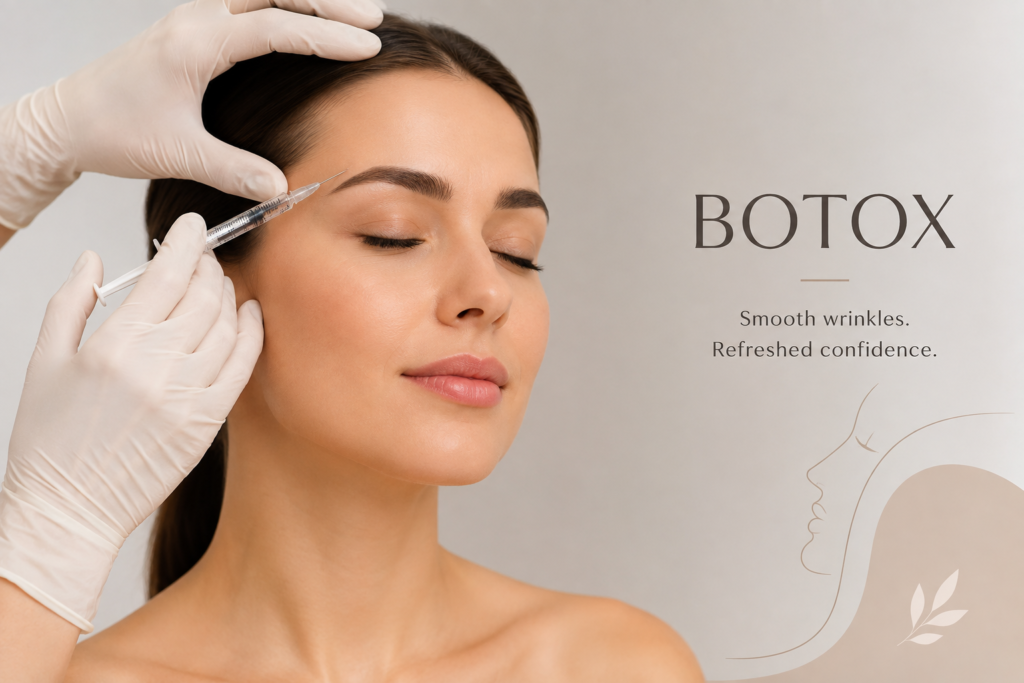
Botox-related eyelid ptosis is generally temporary because the effect of botulinum toxin gradually wears off. The duration varies between individuals and depends on the severity of the drooping and the muscles affected.
In many cases, improvement occurs over several weeks, although it may take a few months for the effect to resolve fully. The precise recovery time cannot be predicted for every patient.
If you notice a droopy eyelid after Botox, contact your treating clinician. An eye specialist may be appropriate, particularly if the drooping affects vision or the diagnosis is uncertain.
Do not use prescription eye drops or other treatments without medical advice. In selected cases, a clinician may consider medication to improve eyelid elevation temporarily, depending on the cause and the patient’s eye health.
What Should You Do If Your Eyelid Becomes Droopy After Botox?
If one eyelid begins to droop after treatment, arrange a medical assessment. Your clinician can determine whether the problem is related to Botox, brow position, swelling, or another eye condition.
In the meantime:
- Contact the practitioner who performed the treatment and explain when the symptoms started.
- Ask whether an ophthalmology assessment is needed.
- Do not massage the area aggressively or attempt to reverse the treatment yourself.
- Avoid using unprescribed eye drops or other remedies.
- Seek urgent medical attention if you develop double vision, significant visual changes, or other concerning symptoms.
Get emergency medical help if you experience difficulty breathing or swallowing, trouble speaking, or widespread muscle weakness after a botulinum toxin injection. These symptoms may indicate a serious complication and should not be managed at home.
Is Botox Safe When Performed by a Professional?
Botox can be an effective option for reducing certain facial lines when used appropriately, but no injectable treatment is completely risk-free. A qualified practitioner should explain the expected benefits, possible side effects, alternative options, and realistic outcomes before proceeding.
Safety also depends on using an authorised product obtained through legitimate channels, following appropriate storage and handling requirements, and ensuring that the treatment is suitable for the individual patient.
Choosing a clinic based only on low prices or promotional offers is not advisable. Medical qualifications, facial anatomy expertise, transparent consultations, and appropriate follow-up are more important considerations.
Considering Botox Treatment in South Delhi?
If you are considering Botox to soften forehead lines, frown lines, or crow’s feet, a consultation can help determine whether the treatment is appropriate for your facial anatomy and aesthetic goals.
At Dermedico Clinic, patients can explore available aesthetic treatment options and discuss their concerns with the clinic’s medical team. Ask about the practitioner’s qualifications, the product being used, possible side effects, and the plan for managing complications before making a decision.
Learn more about Botox treatment in South Delhi and discuss your suitability for treatment with a qualified professional.
Frequently Asked Questions
1. Can Botox cause a droopy eyelid?
Yes. Botox can occasionally cause eyelid ptosis if its effect reaches muscles responsible for lifting the upper eyelid. The risk can be reduced through careful assessment, appropriate dosing, and correct injection technique.
2. How soon can eyelid drooping start after Botox?
It may not appear immediately. Botox-related ptosis commonly develops over the days following treatment, and medical literature describes onset within approximately 3–14 days in many reported cases.
3. Is a droopy eyelid after Botox permanent?
It is usually temporary, as the effect of botulinum toxin wears off. However, recovery time varies, and a clinician should assess persistent or troublesome symptoms.
4. Can a droopy eyelid after Botox be treated?
A clinician can assess the cause and recommend suitable management. In selected cases, prescription eye drops may temporarily improve eyelid elevation. Treatment should be chosen by a qualified professional.
5. Does Botox always cause eyelid drooping?
No. Most people do not experience this complication, but the risk is not zero. Individual anatomy, injection placement, dose, and other factors can influence the outcome.
6. Can I prevent eyelid ptosis by avoiding exercise after Botox?
Following your clinician’s aftercare instructions is sensible, but avoiding exercise alone cannot guarantee prevention. Proper assessment and injection technique are key precautions.
7. Should I get Botox if I already have droopy eyelids?
Not necessarily. Pre-existing eyelid or brow drooping should be assessed before treatment. A qualified practitioner can explain whether Botox is suitable or whether an alternative approach would be safer.
8. When should I seek medical help after Botox?
Contact your clinician if you notice new eyelid drooping or difficulty opening the eye. Seek urgent medical care for significant visual symptoms, and emergency care for breathing or swallowing difficulty, speech problems, or widespread weakness.
Conclusion
Botox can occasionally cause a droopy eyelid, but careful patient assessment, appropriate dosing, accurate injection placement, and treatment by a qualified medical professional can help reduce the risk. The complication is usually temporary, although recovery varies and medical assessment may be necessary.
Before choosing Botox treatment, ask questions, disclose your medical history, and make sure you understand the potential benefits and risks. If you develop eyelid drooping or other unexpected symptoms after treatment, seek appropriate medical advice rather than attempting to treat the problem yourself.
Medical disclaimer: This article is for educational purposes only and is not a substitute for individual medical advice, diagnosis, or treatment. Consult a qualified healthcare professional about your specific circumstances.